When we think of eating fish, we often imagine large steaks or massive fillets. But in the pristine mountain streams of the Himalayas, the true culinary and nutritional gold resides in small freshwater varieties. Let's explore why these tiny fishes are highly prized.
The Calcium Bonanza: Eating the Whole Fish
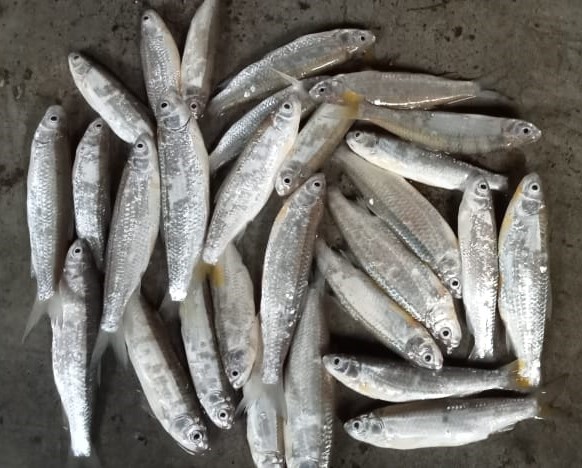
Unlike large fishes where the skeleton is discarded, small freshwater fish like Boroli and Cheli are soft-boned and eaten whole, including the head, bones, and organs. This means you consume the natural skeletal calcium and phosphorus directly. The calcium in soft fish bones is highly bio-available, making it one of the absolute best dietary sources for bone density and teeth health.
Concentrated Vitamin A for Eyesight
The internal organs and eyes of small fish are packed with concentrated Vitamin A (Retinol). This crucial nutrient plays a major role in maintaining healthy night vision, protecting the cornea, and supporting healthy skin. In rural Himalayan communities, small fish have historically been prized as a natural shield against children's vision deficiencies.
"Small indigenous fish species (SIS) are nature's nutrient capsules, packing ten times the vitamin and trace mineral values of larger commercial species."
Why Clean Glacier Waters Matter
Small river fish feed on organic moss, small planktons, and aquatic plants in fast-flowing glacier streams. This clean diet gives them a sweet, clean taste completely free of muddy pond odors. Furthermore, because these fish have very short life cycles, they do not accumulate trace toxins or heavy metals, making them the safest seafood source available.
Environmental Sustainability
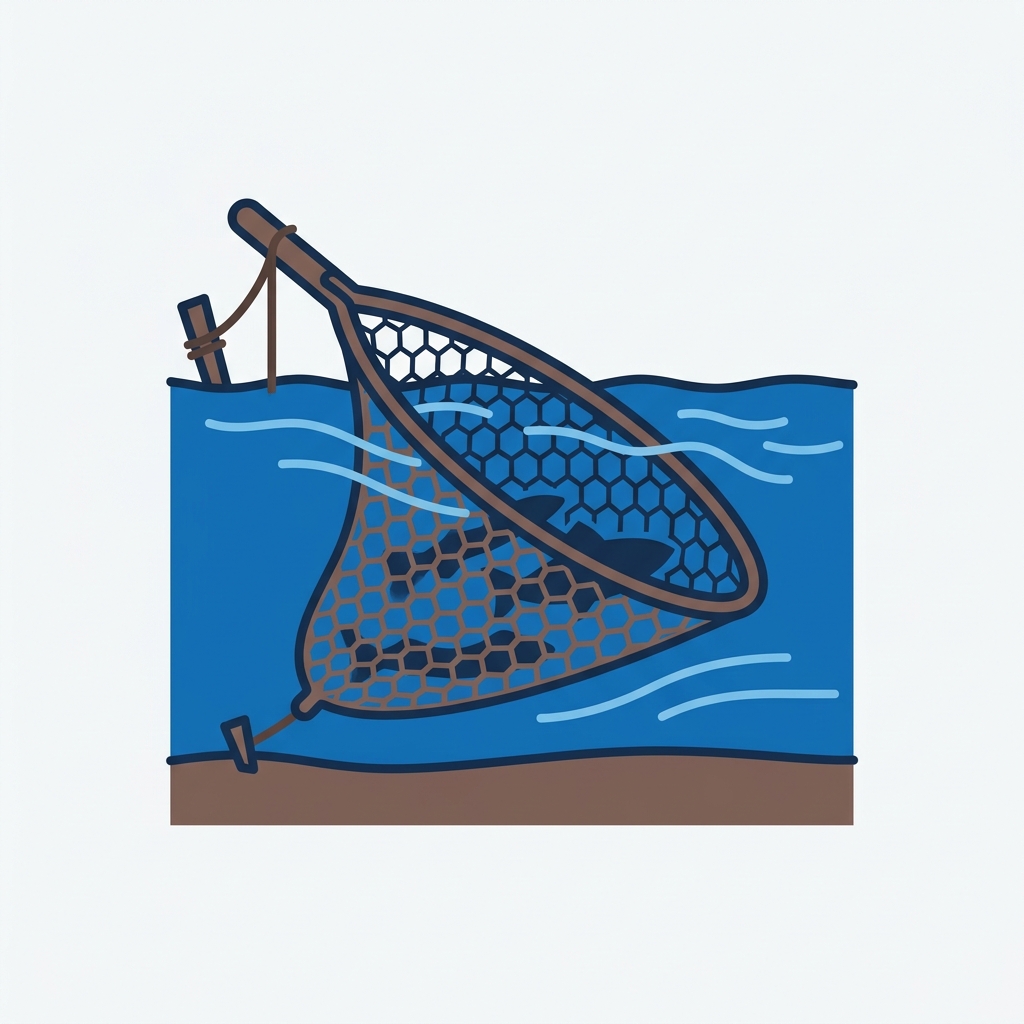
Harvesting small wild fish is highly eco-friendly. They reproduce rapidly, maintaining local biodiversity, and are caught using traditional cast-nets by local fishermen. This prevents overfishing of larger species and ensures a healthy, sustainable ecosystem in the Himalayan river valleys.